+86-0575-8215 2808
/8200 8688/8239 2526

 Contact Us
 Linguae

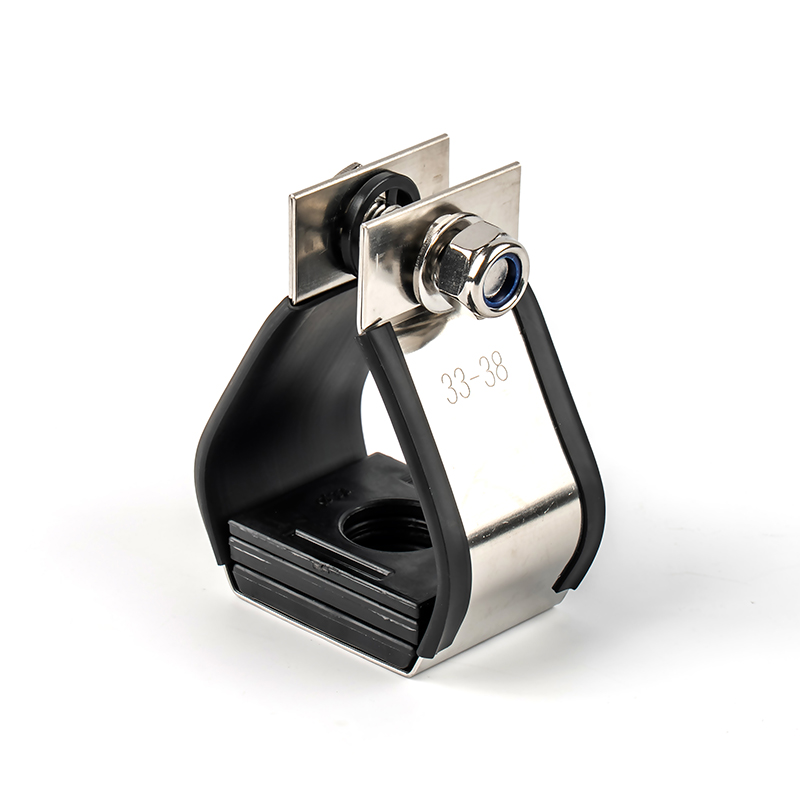
Unius funis Cleats ex 316 ferro immaculato pro ...
View more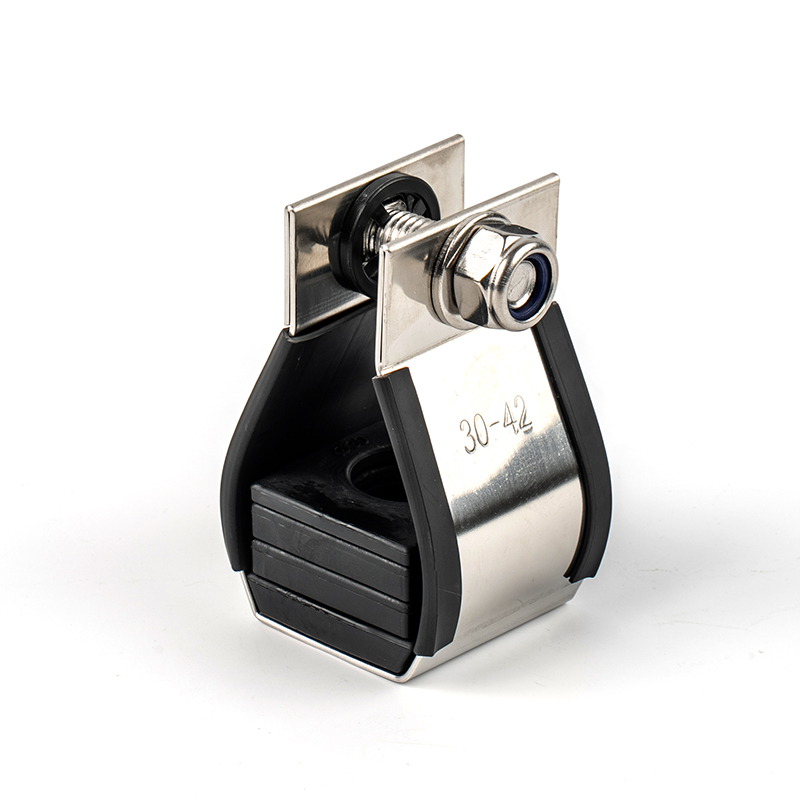
Ab alto gradu 316 ferro immaculato fabricato, h...
View more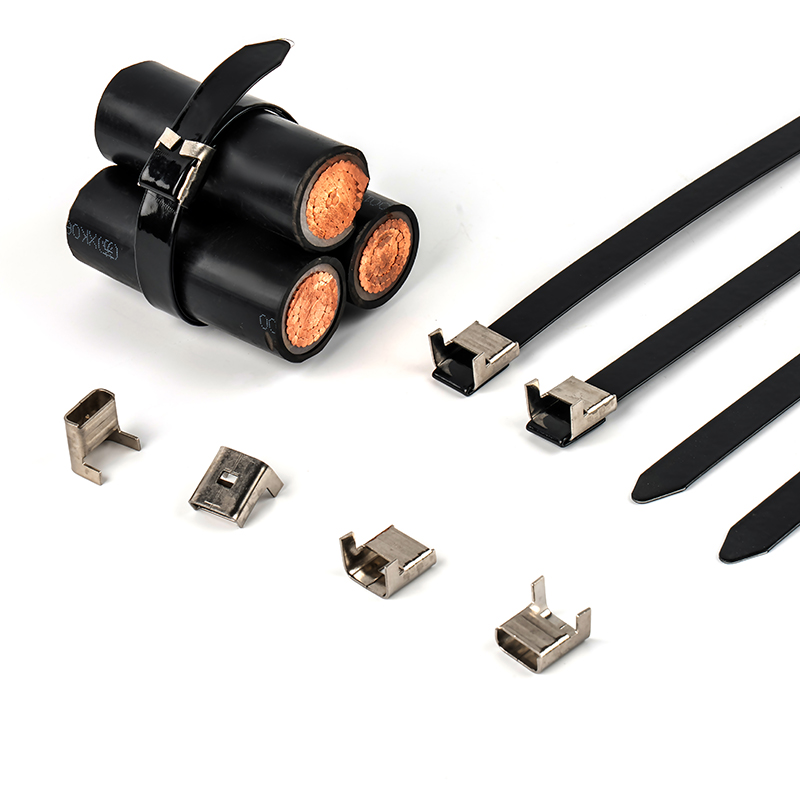
Nomen notam: Fengfan Probatus Certificatoriu...
View more Overview of the Locking Principle of Nylon cable Ties
Nylon funem ligat celerem et firmum haerentem per integratum densis caput et corpus nectit. The core mechanism lies in the interaction of wedge teeth and a positioning locking tongue, allowing the cable tie to self-lock after tightening and preventing reversible disassembly under normal use.
1. Basic Components of the Locking Structure
Locking Head: Located at the end of the cable tie, it contains a wedge tooth area and a positioning locking tongue, and is equipped with a dedicated blade groove (for self-breaking cable ties).
Liga Corpus: Factus e Nylon 66 (Polyamide 6.6) materia, altas vires et tempestates resistentia possidens. Superficies PVC, PPA, etc., iuxta requisita, obduci potest.
Gripper/Integrated Claw: A thin gripper is added to some products to facilitate positioning and applying tension in confined spaces, while also improving the insertion force and locking strength during locking.
2. Locking Principle Workflow
Installation and Tightening: After threading the cable tie through the object to be bundled using your hand or a tool, insert the tail end into the locking head's fastening hole.
Wedge Engagement: As the tightening force increases, the wedge-shaped area of the cable tie pushes into the positioning latch inside the locking head. Inclinata cunei superficies retrogradum impellit foramen, mechanicam crinem creans.
Self-Locking: Once the wedge is fully engaged in the locking groove of the latch, the latch is forced into a compressed state, preventing the cable tie from moving backward, achieving a one-time locking. Hic processus non nititur in filis externis seu stipticis, sed omnino in elasticitate et geometria materiae.
Self-Break (Optional): After locking, the excess cable tie is cut off by the blade inside the locking head, avoiding the need for secondary processing with scissors.
3. Locking Strength and Safety
High Locking Strength: The integrated claw and low insertion force design ensure that the cable tie maintains a stable locked state under force, making it difficult to loosen even under vibration or impact.
Material Advantages: Nylon 66 possesses excellent tensile strength, chemical resistance, and flame retardancy (UL94V-2), maintaining its performance over a wide temperature range of -35°C to 85°C, making it suitable for harsh environments such as marine, shipbuilding, and aviation.
Anti-Incorrect Disassembly: The geometric fit between the wedge teeth and the locking tongue is irreversible during normal use and can only be disengaged by a specialized cutting tool or self-breaking blade, ensuring the safety of the secured item.
Unius funis Cleats ex 316 ferro immaculato pro cable administratione adhibetur. Est corrosio-repugnans, summus temperatura resistens et signis internationalibus occurrit. Idoneum est variis ambitib...
See Detail
Ab alto gradu 316 ferro immaculato fabricato, haec cable ratio administrandi specifice destinatur ad conservationem retentionis funerum in generationibus potentiarum, petrochemicis, marinis, sugges...
See Detail
Nomen notam: Fengfan Probatus Certificatorium: DNV & ABS. Product Description: Cable Fixing Band and Clips Pretium Alternative ad Cable Cleats Product Beneficia - Minimum profile m...
See DetailRemulco, quod intra fune repositorium libere movere potest, primo die commissionis acceptum respicere potest. Sed sub brevi circuitu conditionibus, vibratione, vel vento alto...
READ MOREPraefectum sustentationem in praedio vento maritimo semel descriptae fune ligaturae sicut pars quinque-centesima quae quinque-figuras euatiunculas decernit. Commentarium haer...
READ MOREIta - nexus argenteus rarus extra opus factus exsistit, et versio nitidissima omnino ligamentum nylon tinctum non est. Funem chalybem immaculati ligaturae sunt argentei i...
READ MOREDiver Tags pro Pipes: The Dura Vestigium Choice Cum fistula vaporem 180°C intra plantam maritimam in processu portat, pittacium plasticum potest emollire et labi ante m...
READ MOREMobile: 86-136 7685 3958
Inscriptio: lihai.fan@zjffdl.com
Mobile: 86-188 57530390
Inscriptio: alan.huang@zjffdl.com
1116 Yasha Ave, Cao'e Street, Shangyu District, Shaoxing City, Zhejiang, China, 312300


+86-0575-8215 2808
/8200 8688/8239 2526

+86-0575-8215 2066
Copyright ©Zhejiang Fengfan Cable Fittings Co.,Ltd.
